Upgrade Your Space: Crucial Insights On Residential Improvement Projects for Each House Owner
Residents commonly search for options to upgrade their homes through home improvement projects. Such undertakings may vary starting with kitchen improvements to entire residential overhauls. Knowing the choices accessible is vital for making informed decisions. Moreover, one must consider real-world factors like budgeting and choosing the right builder. As homeowners commence on this journey, they may run into surprising obstacles. The key to a successful transformation depends on careful planning and execution. What steps should be taken next?
Understanding the Different Types of Residential Renovation Work
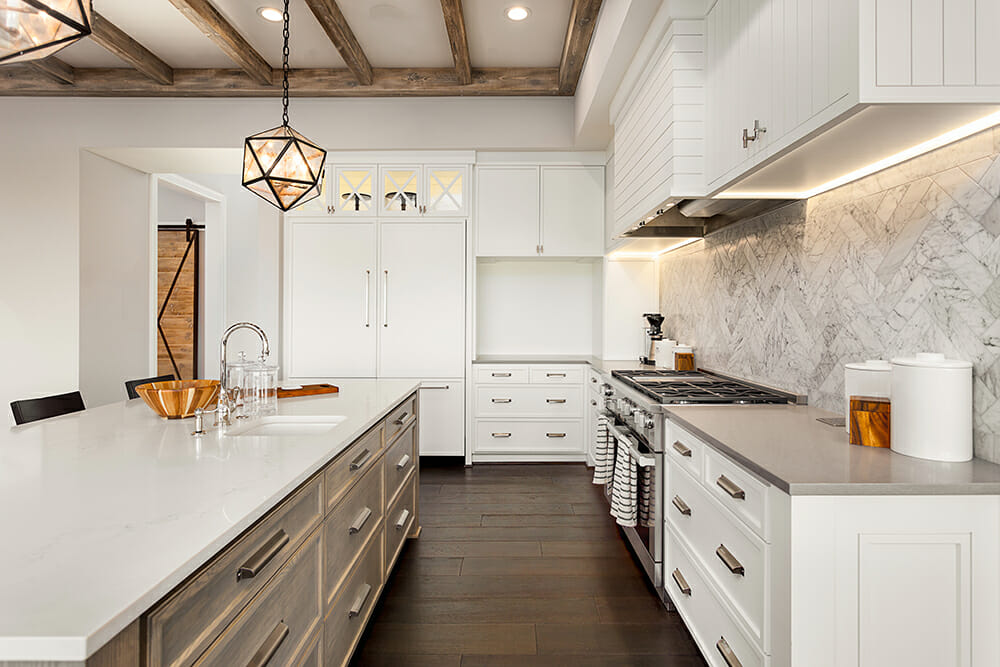
When property owners think about upgrading their living spaces, they often encounter many different types of services tailored to different needs and preferences. These services can be broadly categorized into a few distinct groups, each addressing specific aspects of home improvement. Renovating the kitchen involves updating appliances, cabinetry, and layouts to enhance functionality and aesthetics. Bathroom upgrades generally mean upgrading fixtures, tiling, and organizational units for greater ease and style.
Complete residential remodeling includes extensive modifications to the entire house, sometimes requiring major structural work to make the most of the space and layout. Outdoor renovation projects, conversely, focus on boosting the property's street view, handling the exterior walls, the roof, and the garden design. Additionally, specialized services like basement finishing and upgrading the attic allow homeowners to maximize neglected parts of the home. Each type of remodeling service offers unique benefits, allowing property owners to select choices that match their goals for their residence. Grasping these differences is essential when choosing wisely while undertaking the upgrade.
Establishing a Practical Spending Plan for Your Home Improvement Work
What steps ensure their home upgrades are kept within budget? Setting a practical budget is essential. Homeowners should begin by assessing their monetary resources, like savings and available loan choices. This first discover now stage helps establish how much can be allocated for the remodel without jeopardizing other monetary duties.
Afterward, those undertaking the remodel should look into the financial requirements of their intended changes, considering materials, labor, and unforeseen expenses that often arise. Developing a comprehensive priority list aids in distinguishing essentials from desirable features, enabling modifications if the finances are strained.
It is smart to incorporate a reserve fund, usually about 10-20% of the overall cost, to cover unexpected costs. Regularly reviewing and adjusting the budget throughout the remodeling process can further assist in keeping finances in check. Finally, a thoroughly prepared budget ensures the project is feasible but also enhances the overall remodeling experience for property owners.
Finding the Best Contractor for Your Needs.
Choosing the appropriate professional can significantly affect the success of a remodeling project. Property owners ought to start by performing extensive investigation, looking for suggestions from acquaintances, relatives, or web feedback. It is crucial to check qualifications, like licenses, insurance, and bonds, to verify their standing.
Once potential contractors are identified, they should seek detailed cost breakdowns and timeframes, facilitating well-grounded side-by-side evaluations. Discussions reveal their approach to dialogue and their level of expertise, which are essential for a collaborative process.
Furthermore, examining previous work via portfolios or referrals shows the builder's standard of work. It is wise to question them regarding warranties or safeguards, indicating the builder's certainty about their services.
Ultimately, selecting a contractor who aligns with the homeowner’s vision, budget, and timeline creates a better renovation journey, making certain the outcome satisfies needs and changes the space as intended.
Structuring and Laying Out Your Perfect Area.
As those renovating imagine their desired rooms, thorough preparation and well-considered layout are crucial elements of a successful remodeling project. The first step involves evaluating current needs and future aspirations, to gain a complete comprehension of the area's utility. Homeowners should consider practicality, visual appeal, and personal style, to guarantee the design showcases their unique preferences.
Next, it is critical to create a detailed budget. This budget should cover materials, workforce costs, and contingency funds. Consulting with design experts can give meaningful advice, aiding in maximizing the area while adhering to budgetary constraints.
Incorporating elements like ample daylight, spacious designs, and sustainable materials can improve the final result. Lastly, seeing the project via sketches or digital renderings can assist in finalizing plans prior to construction. When handling the initial design phase deliberately, homeowners can build a comfortable, effective space tailored to their lifestyle.
Understanding Regulations and Permits in Home Remodeling
Familiarizing oneself with the red tape and requirements can be daunting for homeowners embarking on a renovation. Every city or county maintains distinct regulations that govern what can be done during renovations, often influenced by area restrictions, building codes, and safety standards. Homeowners must familiarize themselves with local regulations so they don't incur hefty fees or project delays.
In most cases, getting permits is mandatory for substantial modifications, such as structural changes or new wiring installations. This process often involves submitting plans for review and may require inspections at various stages.
Hiring an experienced builder can streamline these steps, as they are usually well-versed in local regulations and can assist with paperwork. It is important for homeowners to communicate regularly with the municipal planning office to verify legality throughout the project. By understanding and maneuvering through these requirements, homeowners can meet their renovation objectives while guaranteeing that the work is safe and legal in their renovations.
FAQs
How Long Does a Typical Home Remodeling Project Take?

A typical home remodeling project usually takes three to six months on average, based on the size of the job, size of the home, and availability of materials. More involved renovations might need extra time for completion.
What are common mistakes you should steer clear of throughout the renovation process?
Frequent errors in the remodeling process are things like miscalculating costs, neglecting permits, overlooking timelines, not maintaining clear communication with the construction team, and ignoring long-term functionality. Awareness of these pitfalls can lead to a more efficient, more successful renovation project.
How should I go about choosing the right materials for my renovation?
Choosing the right materials requires assessing their resilience, the look and feel, and cost constraints. Researching options, talking to specialists, and factoring in how much care they require can greatly aid to make smart choices, making sure the renovation matches your functional and aesthetic goals.
Can I live in my home throughout the construction phase?
You are able to stay in their home while work is ongoing, but you should expect some hassle. Detailed organization, maintaining open dialogue with your builders, and setting aside certain zones for daily use can lessen the stress while the work is underway.
What warranties should I expect from the renovation company?
You should anticipate receiving warranties covering workmanship, materials, and key building elements, which usually last between one to ten years. You must carefully check the exact provisions with contractors to clearly grasp what is covered and what is excluded.